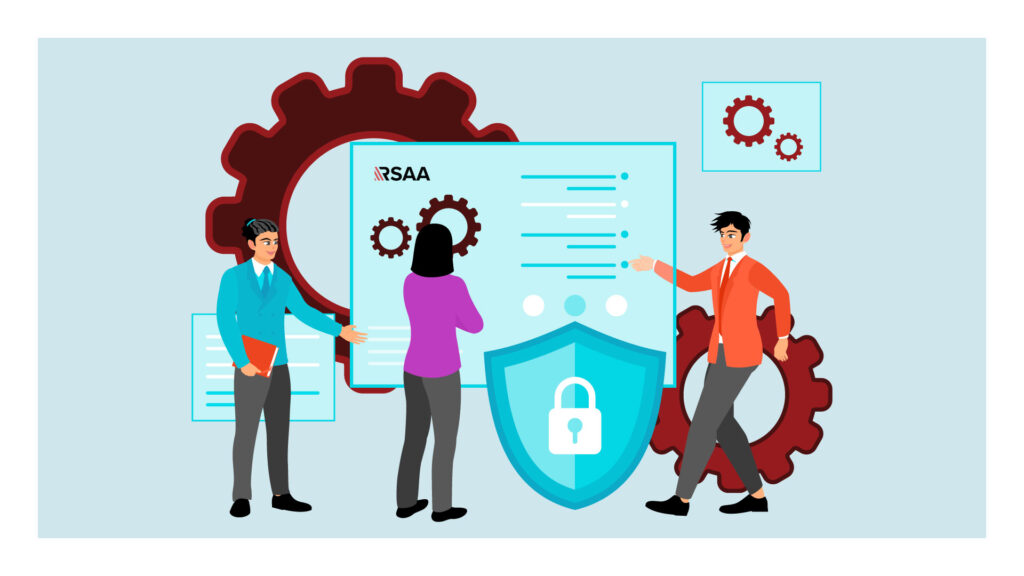
In every compliance program, regardless of framework, size, or industry, success ultimately comes down to people. Documented controls, automated workflows, and continuous system monitoring are important, but they cannot replace the expertise and commitment of the teams executing, validating, and sustaining compliance efforts. As organizations reflect on their year, it’s crucial to recognize the individuals and partnerships that make compliance achievable, repeatable, and trustworthy. Compliance is not a solitary function; it thrives on communication, collaboration, and coordinated ownership. When teams work together with clarity and purpose, compliance strengthens. When internal and external partnerships are aligned, audit readiness becomes more predictable and manageable. Supporting, training, and empowering people creates a resilient control environment, ensuring that compliance efforts stand the test of audits.
Below are the people and relationships that most directly shape compliance success, and why they matter heading into 2026.
Cross-Functional Teams: Bringing Controls to Life
Compliance thrives on a network of functions working in concert. IT manages infrastructure and access, HR drives onboarding discipline, security teams oversee monitoring and incident response, engineering supports change management, and operations keep critical workflows running smoothly.
Controls succeed when:
- Each team clearly understands its role in the control environment.
- Ownership is documented and explicit, not assumed.
- Responsibilities are backed by the time, resources, and tools needed.
- Teams communicate openly about risks, challenges, and capacity.
- Evidence is collected consistently because expectations are aligned.
When cross-functional collaboration breaks down, gaps emerge quickly, missed reviews, late evidence, untracked exceptions, or unaddressed vulnerabilities. Conversely, when teams collaborate effectively, these gaps shrink, making audit readiness more reliable and predictable.
Leaders Who Drive Direction, Commitment, and Oversight
Effective governance depends on active and engaged leadership. Strong compliance programs feature leaders who:
- Review risks and performance on a predictable cadence.
- Support high-quality documentation and clear ownership discipline.
- Ensure teams have the capacity and resources to execute controls.
- Stay engaged with audit and compliance updates, not just the results.
- Reinforce expectations consistently across departments.
The tone at the top matters. When leadership demonstrates commitment and oversight, it strengthens the control environment, fosters accountability, and makes audit readiness more attainable and reliable. Leaders set the standard for behavior, encourage cross-functional collaboration, and signal that compliance is a shared organizational priority
Trusted Internal Partnerships That Strengthen Accountability
Compliance thrives in organizations where teams feel confident raising concerns, asking questions, and reporting issues without hesitation. This supportive environment leads to:
- Earlier escalation of risks.
- Better tracking of remediation efforts.
- Fewer surprises during assessments.
- More accurate reporting throughout the year.
Internal partnerships rely on ongoing communication, not just during audit season, but as part of daily operations. They are strengthened through shared dashboards, clear workflows, and a mutual understanding of how controls connect across teams. When internal collaboration is strong, audit readiness becomes more predictable and resilient, ensuring that compliance outcomes are consistent and reliable.
External Partners Who Support Compliance Maturity and Transparency
No organization achieves compliance maturity in isolation. Advisory firms, auditors, technology vendors, and specialized consultants all play a critical role in shaping strong compliance outcomes. The right external partners:
- Provide objective insight into program gaps.
- Help calibrate expectations to framework requirements.
- Strengthen documentation, monitoring, and evidence discipline.
- Introduce structure where internal teams need support.
- Reinforce independence, accuracy, and ethical rigor.
External partnerships are most effective when built on trust, transparency, and open communication, not last-minute firefighting before an audit. When these partnerships function well, they enhance audit readiness, improve compliance maturity, and make assessments more predictable and transparent.
Why People and Partnerships Matter Going Into 2026
Looking ahead, compliance expectations will continue to intensify. SOC, CMMC, and ISO programs are increasingly focused on consistent evidence, stronger governance, and continuous control performance. While technology will support efficiency and scale, people will remain the drivers of execution, ownership, and accountability.
Organizations that invest in their teams and partnerships benefit from:
- More predictable audit cycles.
- Greater control consistency across the year.
- Stronger governance and reporting.
- Clearer communication and escalation paths.
- Increased trust from customers, auditors, and leadership.
Ultimately, compliance success is not defined by templates or tools alone. It is defined by the people who make those tools effective and the partnerships that sustain performance over time, resulting in stronger audit readiness and long-term compliance resilience.
Connect with RS Assurance & Advisory to build an sustainable compliance Framework. that is efficient, insightful, and sustainable.
info@rsassure.com |  (903) 229-0341