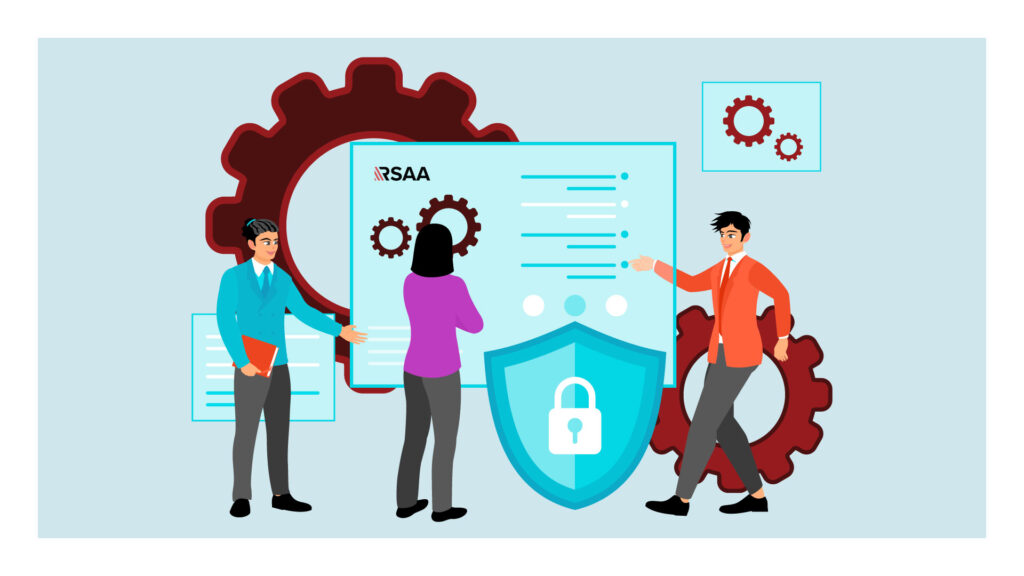

Modern compliance programs are under increasing pressure as organizations work to meet strict requirements across frameworks like SOC 2, HIPAA, CMMC 2.0, and ISO 27001. To stay audit-ready and demonstrate effective governance, many teams now rely on GRC tools to streamline documentation, automate evidence collection, and strengthen ongoing control monitoring.
GRC tools help CISOs and compliance leaders simplify complex workflows, reducing manual effort and ensuring consistent control performance. These platforms centralize risk, compliance, and audit activities, making it easier to stay prepared for examinations such as a SOC 2 audit.
At RS Assurance & Advisory (RSAA), we regularly see organizations using GRC platforms throughout the entire SOC 2 readiness lifecycle—from scoping and gap assessments to remediation tracking and long-term compliance maintenance. When implemented effectively, GRC tools significantly accelerate SOC 2 readiness and improve overall audit confidence.
Why GRC Tools Matter Today
Compliance expectations have expanded significantly, especially for organizations preparing for SOC 2 audits, CMMC assessments, HIPAA reviews, or ISO 27001 certifications. As CISOs and compliance leaders work to navigate increasing control requirements, evolving threats, and growing documentation burdens, GRC tools have become an essential foundation for building and maintaining a mature, audit-ready compliance program.
GRC tools give organizations the structure and visibility they need to keep pace with modern frameworks. These platforms centralize documentation, streamline evidence gathering, and help ensure controls operate consistently across teams. This is particularly critical for SOC 2, where auditors evaluate both the design and operating effectiveness of controls over extended periods. Without a centralized system, maintaining accuracy, tracking changes, and demonstrating continuous compliance becomes manual, time-consuming, and prone to errors.
Beyond documentation, GRC platforms automate high-volume compliance tasks, such as access reviews, policy updates, risk assessments, and control attestations. Automation reduces manual effort and helps teams meet deadlines more reliably. For fast-growing organizations or those managing multiple frameworks at once, these capabilities directly support stronger governance, clearer accountability, and more effective risk management.
Most importantly, GRC tools keep organizations aligned with SOC 2’s Trust Services Criteria. They reinforce the foundations of a strong internal control environment, provide mechanisms for timely monitoring and communication, and give leadership real-time visibility into compliance posture. As a result, organizations enter their SOC 2 examination with evidence that is complete, organized, and fully traceable, strengthening both audit outcomes and overall operational resilience.
Centralized Evidence and Documentation
GRC tools play a critical role in centralizing policies, logs, tickets, and audit artifacts into one unified system. By reducing fragmentation and maintaining a single source of truth, organizations can support stronger control governance and ensure documentation remains consistent and audit-ready.
These platforms maintain version control, timestamps, and audit trails to show when evidence was created, updated, or reviewed. This structure directly supports SOC 2 expectations for evidence completeness, accuracy, and traceability, especially when documentation must map to specific controls across the Trust Services Criteria.
Modern compliance programs generate large volumes of information, including configuration files, system logs, HR onboarding records, vulnerability reports, and policy updates. Without centralized documentation, teams often struggle to locate historical evidence, confirm that controls operated consistently throughout the SOC 2 audit period, or track remediation progress effectively.
GRC tools solve these challenges by enabling repeatable workflows, assigning clear ownership, and mapping evidence directly to the relevant SOC 2 control criteria. This improves audit readiness and strengthens internal governance while reducing the risk of missing or outdated documentation.
Ultimately, GRC platforms provide structured evidence storage, maintain robust version control, and produce the audit trails necessary to meet SOC 2 requirements with confidence.
Automated Control Monitoring
GRC tools enhance compliance operations by supporting automated control monitoring across cloud environments, HR systems, and productivity platforms. Through integrations and scheduled workflows, these platforms automate high-volume activities such as access reviews, asset inventory updates, vulnerability scan tracking, and recurring control checks.
This automation directly supports SOC 2 requirements related to logical access (CC6.x), system operations (CC7.x), and change management (CC8.x). By reducing manual effort and enforcing consistent control execution, GRC tools help organizations maintain continuous compliance throughout the SOC 2 audit period.
Automated monitoring also gives CISOs early visibility into emerging issues, such as MFA gaps, incomplete log reviews, or delayed remediation activities, well before they become audit findings. This proactive approach improves audit readiness, reduces compliance risk, and contributes to a more seamless SOC 2 examination.
Streamlined Readiness for SOC 2 and CMMC
Preparing for frameworks like SOC 2 and CMMC 2.0 requires a structured, evidence-driven approach. GRC tools help organizations streamline readiness efforts by providing clarity, consistent workflows, and real-time visibility into control performance. These platforms reduce the manual effort of early-phase assessments and help compliance leaders anticipate auditor expectations.
Effective readiness with GRC tools typically involves:
- Identifying control gaps across relevant Trust Services Criteria and documenting remediation needs clearly.
- Mapping requirements, such as NIST SP 800-171 for CMMC 2.0, to existing processes, technologies, and security controls.
- Tracking remediation tasks with defined ownership, deadlines, and automated reminders to maintain momentum.
- Creating structured readiness dashboards that give CISOs and compliance leaders visibility into risks, gaps, and upcoming priorities.
By maintaining structured readiness workflows, organizations can reduce surprises during SOC 2 examinations or CMMC assessments. GRC platforms also ensure consistency over time, allowing the control environment to evolve alongside organizational growth and changing regulatory expectations.
Better Collaboration Across Teams
Compliance responsibilities span IT, HR, engineering, security, operations, and executive leadership. GRC tools enable cross-functional collaboration by providing shared dashboards, standardized workflows, automated task assignments, and integrated communication channels.
These capabilities strengthen internal governance and directly support SOC 2 Common Criteria requirements for communication, roles, and responsibilities (CC1.0–CC2.0). By centralizing compliance tasks and visibility, GRC platforms allow teams to coordinate efficiently while maintaining proper independence, reducing the risk of gaps or miscommunication during audits.
How RSAA Helps Organizations Maximize GRC Value
RS Assurance & Advisory (RSAA) partners with organizations to ensure their GRC tools are configured and leveraged effectively for compliance and audit readiness. RSAA provides hands-on support by:
- Selecting and tailoring the right GRC solution to meet SOC 2 requirements.
- Mapping internal processes into structured, repeatable workflows.
- Validating evidence and testing control performance to ensure accuracy.
- Preparing organizations for SOC 2 Type I and Type II audits with CPA-attested precision.
Our team of CPAs and cybersecurity experts helps organizations achieve a streamlined, audit-ready compliance posture, aligned with industry best practices and regulatory obligations. By maximizing the value of GRC platforms, RSAA ensures that controls are consistently applied, evidence is traceable, and readiness is maintained year over year.
Conclusion
GRC tools simplify the complexity of managing modern compliance obligations and are essential for SOC 2 audit preparation. By centralizing evidence, automating control monitoring, enhancing risk evaluation, and supporting cross-functional collaboration, these platforms enable organizations to build scalable, sustainable, and audit-ready compliance programs. When paired with RSAA’s expert advisory and attestation services, organizations gain the clarity, structure, and confidence needed to navigate the full SOC 2 audit lifecycle successfully.
Ready to Strengthen Your Compliance Program?
Whether you’re preparing for a SOC 2 Type I or Type II examination, aligning with CMMC 2.0 requirements, or modernizing your governance and risk workflows, RS Assurance & Advisory (RSAA) can help. Our team of CPAs and cybersecurity professionals provides tailored readiness support, hands-on guidance, and audit-driven insights to streamline your compliance journey.
Connect with an RSAA expert today to start building an organized, audit-ready compliance program that scales with your business and supports long-term operational resilience.
info@rsassure.com | 📞 (903) 229-0341