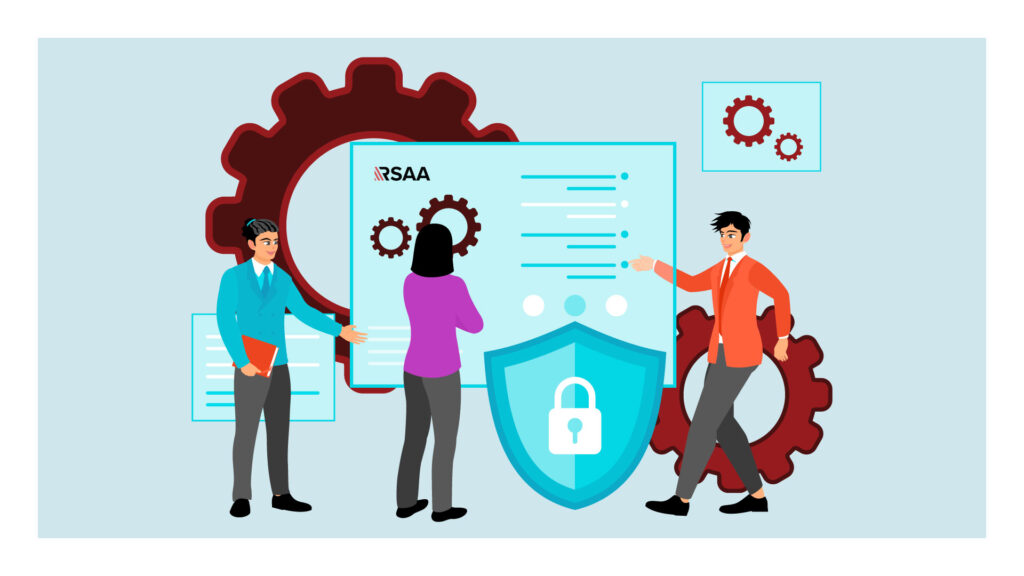

As organizations close out 2025, many leaders are taking a step back to evaluate what worked, what stalled, and how their compliance planning and security programs must evolve. Year-end reflection is more than a routine exercise. it is a critical governance practice.
Whether you are advancing a SOC 2 program, navigating CMMC expectations, strengthening your ISMS, or maturing internal controls, the end of the year provides an ideal opportunity to realign priorities and refine your compliance planning for 2026.
Below are five practical areas that RS Assurance & Advisory (RSAA) recommends every organization assess as they transition into the new year.
Review Control Performance With Honesty and Precision
A meaningful year-end review begins with understanding how your controls actually performed, not just how they were documented. Effective compliance planning starts here: look beyond checklists and focus on operational reality:
- Were controls executed consistently throughout the year?
- Did access reviews, incident response procedures, and change management routines happen as designed?
- Where did audit findings, vendor assessments, or internal reviews reveal recurring gaps?
- Which corrective actions were completed, delayed, or deprioritized?
Clarity at this stage is essential. Acknowledging gaps is not a sign of weakness, it is a hallmark of strong governance and a foundation for smarter compliance planning in the year ahead.
Reassess Your Risk Landscape
2025 brought new threat vectors, supply-chain disruptions, regulatory updates, and technology shifts. Effective compliance planning for 2026 begins with revisiting your risk assessment in this fresh context:
- Have new vendors, cloud platforms, or business partners changed your risk posture?
- Are there new regulatory expectations related to SOC 2, CMMC, HIPAA, ISO 27001, or state privacy laws?
- Did your incident, vulnerability, or monitoring data reveal emerging trends?
- Are new technologies (AI, API integrations, automation) creating additional dependencies?
Maintaining a current risk picture ensures your compliance planning and 2026 initiatives prioritize what genuinely matters, protecting both operations and governance.
Evaluate Your Documentation and Evidence Discipline
Policies, procedures, and evidence management often drift over time, especially during periods of organizational growth. As part of year-end compliance planning, conduct a documentation review to determine:
- Are policies still aligned with actual operating practices?
- Do procedures reflect the current environment, platforms, and staffing model?
- Is evidence collection organized, version-controlled, and audit-ready?
- Did your team rely on urgent “document cleanup” before external assessments?
Improving documentation hygiene now reduces audit friction, strengthens organizational accountability, and lays a solid foundation for effective compliance planning in the year ahead.
Strengthen Governance and Ownership for 2026
Strong compliance programs rely on clear accountability. As organizations evolve, ownership gaps often emerge. Integrating governance review into your year-end compliance planning ensures control and accountability remain effective:
- Are control owners clearly identified and supported?
- Do committees, leadership teams, or cross-functional groups meet consistently and with clear purpose?
- Are roles and responsibilities well understood across IT, HR, security, and operations?
- Do you have adequate capacity to sustain compliance during growth or periods of increased demand?
Strengthening governance now ensures that your 2026 initiatives are sustainable, proactive, and aligned with your compliance planning objectives.
Build a Realistic, Structured Roadmap for 2026
A predictable audit and compliance calendar is one of the most valuable tools in compliance planning. Your 2026 roadmap should clearly define:
- Audit cycles (SOC 1/SOC 2, ISO surveillance, internal audits)
- Recurring evidence collection and control testing intervals
- Required risk assessments, DR/BCP exercises, and policy updates
- Remediation timelines and ownership
- Key initiatives tied to technology upgrades, cloud migrations, or vendor changes
A well-structured roadmap transforms compliance from an annual sprint into a steady, manageable rhythm, ensuring that your compliance planning for 2026 is proactive, predictable, and effective.
Planning Smarter, Not Harder
Planning for 2026 is not about adding more work, it’s about aligning your efforts with strategic priorities, clarified risks, and realistic capacity. A disciplined reflection process allows organizations to eliminate unnecessary tasks, reduce redundant workflows, and invest more intentionally in areas that strengthen security, reliability, and organizational resilience.
Integrating these insights into your compliance planning ensures that your security and governance programs are built on clarity, consistency, and commitment, not intensity.
Ready to streamline your next audit?
Connect with RS Assurance & Advisory to build an audit approach that is efficient, insightful, and sustainable.
info@rsassure.com | 📞 (903) 229-0341