As organizations face increasing regulatory pressure and rising customer expectations, compliance teams often struggle to maintain SOC 2 readiness across multiple frameworks. SOC 2, HIPAA, CMMC, ISO, and internal cybersecurity policies frequently operate in parallel, resulting in duplicated work, siloed documentation, and inconsistent control evidence.
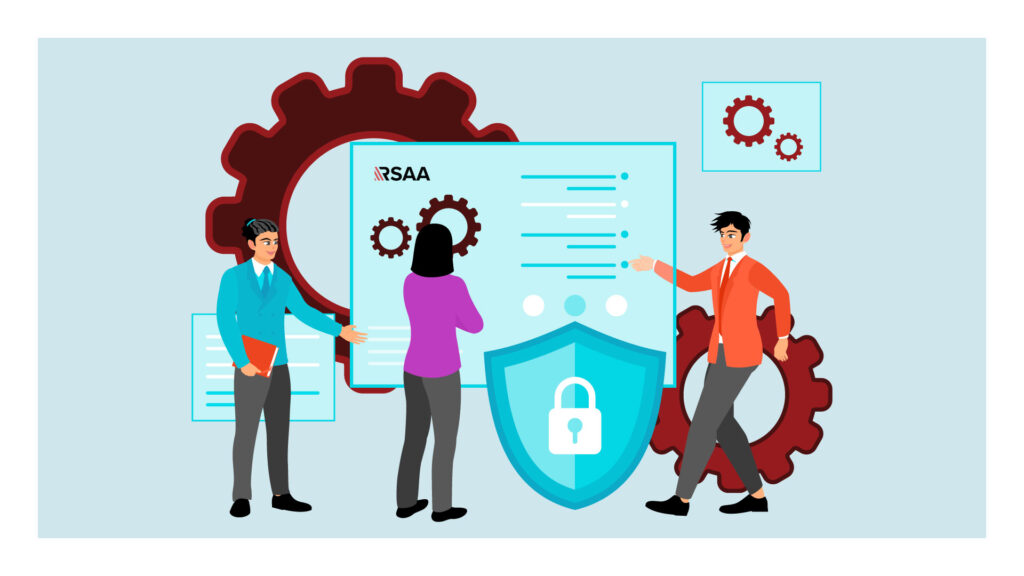
Integrated reporting, powered by modern GRC tools, is emerging as a solution to these challenges. By centralizing controls, evidence, risks, and workflows, integrated reporting helps organizations:
- Streamline compliance processes
- Reduce redundant documentation
- Improve visibility into control effectiveness
- Demonstrate operational maturity and trust to stakeholders
For growing organizations, this centralized approach is becoming essential, not only for efficiency but also for achieving SOC 2 readiness and smoother audit outcomes.
Why Integrated Reporting Matters
Organizations that manage compliance manually, through spreadsheets, shared drives, or email chains, often face challenges that hinder SOC 2 readiness, including:
- Conflicting document versions
- Missed review cycles or control monitoring
- Difficulty mapping a single control to multiple frameworks
- Increased auditor requests due to unorganized or incomplete evidence
Integrated reporting addresses these gaps by creating a unified structure that centralizes compliance data, reduces duplication, and streamlines reporting. For SOC 2, where evidence quality and completeness are critical to audit evaluation, this structured approach supports more efficient SOC 2 readiness efforts and clearer, more predictable audit outcomes.
How GRC Tools Streamline SOC 2 Compliance
Modern GRC tools help compliance teams reduce manual work and maintain a continuous state of SOC 2 readiness. When combined with integrated reporting, these platforms support several essential functions that make SOC 2 audit preparation more efficient and predictable:
- Centralized Control Management
Many compliance requirements overlap across frameworks. A GRC tool allows teams to maintain a single repository of controls and map them to:
- SOC 2 Trust Services Criteria
- Internal cybersecurity policies
- Additional frameworks such as NIST, ISO, CMMC, or HIPAA
This centralization reduces complexity and creates a predictable structure for integrated SOC 2 reports, helping teams maintain consistent documentation and simplify audits.
- Automated Evidence Collection and Tracking
Evidence management is one of the most time-consuming components of SOC 2 readiness. GRC platforms simplify this process with:
- Automated reminders for evidence owners
- Centralized storage with version control
- Direct linking between evidence and control requirements
- Clear audit trails for recurring monitoring activities
The result is cleaner, more accurate SOC 2 compliance documentation that reduces audit friction.
- Real-Time Monitoring and Compliance Reporting
Auditors increasingly focus on evidence demonstrating consistency over time, rather than point-in-time snapshots. GRC tools support:
- Vulnerability scans
- System access reviews
- Incident response logs
- Change management workflows
By integrating these functions into compliance automation, organizations gain real-time visibility and strengthen SOC 2 readiness.
- Clear and Consistent System Scope Documentation
SOC 2 system descriptions often require detailed information about:
- Infrastructure
- Subservice providers
- Data flows
- Security controls
- Control boundaries
GRC tools help maintain this information consistently, improving the quality and reliability of integrated reports. This makes SOC 2 audits more efficient and reduces the risk of findings.
Integrated Reports Create Efficiency Across Frameworks
Because many security and compliance activities overlap, integrated reporting enables organizations to:
- Reuse evidence across multiple frameworks, improving SOC 2 readiness
- Maintain consistent documentation standards for audits
- Reduce duplicated work during annual reviews
- Improve communication and collaboration between teams
For example, a single access control workflow can satisfy SOC 2, ISO 27001, and internal governance requirements. Integrated reporting makes these relationships clear, auditable, and easier to manage, supporting more efficient SOC 2 audit preparation.
What This Means for SOC 2 Teams
As expectations for compliance rise, integrated reporting and GRC evidence management help organizations move from reactive preparation to proactive SOC 2 readiness. Teams that adopt these practices benefit from:
- Faster and more reliable evidence collection
- Reduced inconsistencies in documentation
- Clear mapping to the SOC 2 Trust Services Criteria
- Streamlined communication with auditors
- Stronger overall cybersecurity governance
While integrated reports don’t replace the need for robust internal controls, they allow organizations to demonstrate SOC 2 compliance effectiveness with clarity, confidence, and efficiency, supporting smoother audits and stronger operational maturity.
Preparing for the Future of Compliance
GRC tools and integrated reporting are becoming foundational to modern compliance programs. As SOC 2 examinations evolve, organizations that invest in compliance automation, centralized documentation, and integrated evidence libraries will achieve more predictable outcomes and smoother audits.
Integrated reporting also serves as a key component for organizations seeking to demonstrate SOC 2 readiness, security, reliability, and transparency across the business. By centralizing controls and evidence, teams can proactively manage audits, reduce risk, and build trust with customers and stakeholders
Connect with RS Assurance & Advisory to build and Support SOC 2 Readiness Using GRC Tools , its approach that is efficient, insightful, and sustainable, turning every engagement into a strategic advantage.
info@rsassure.com |  (903) 229-0341